

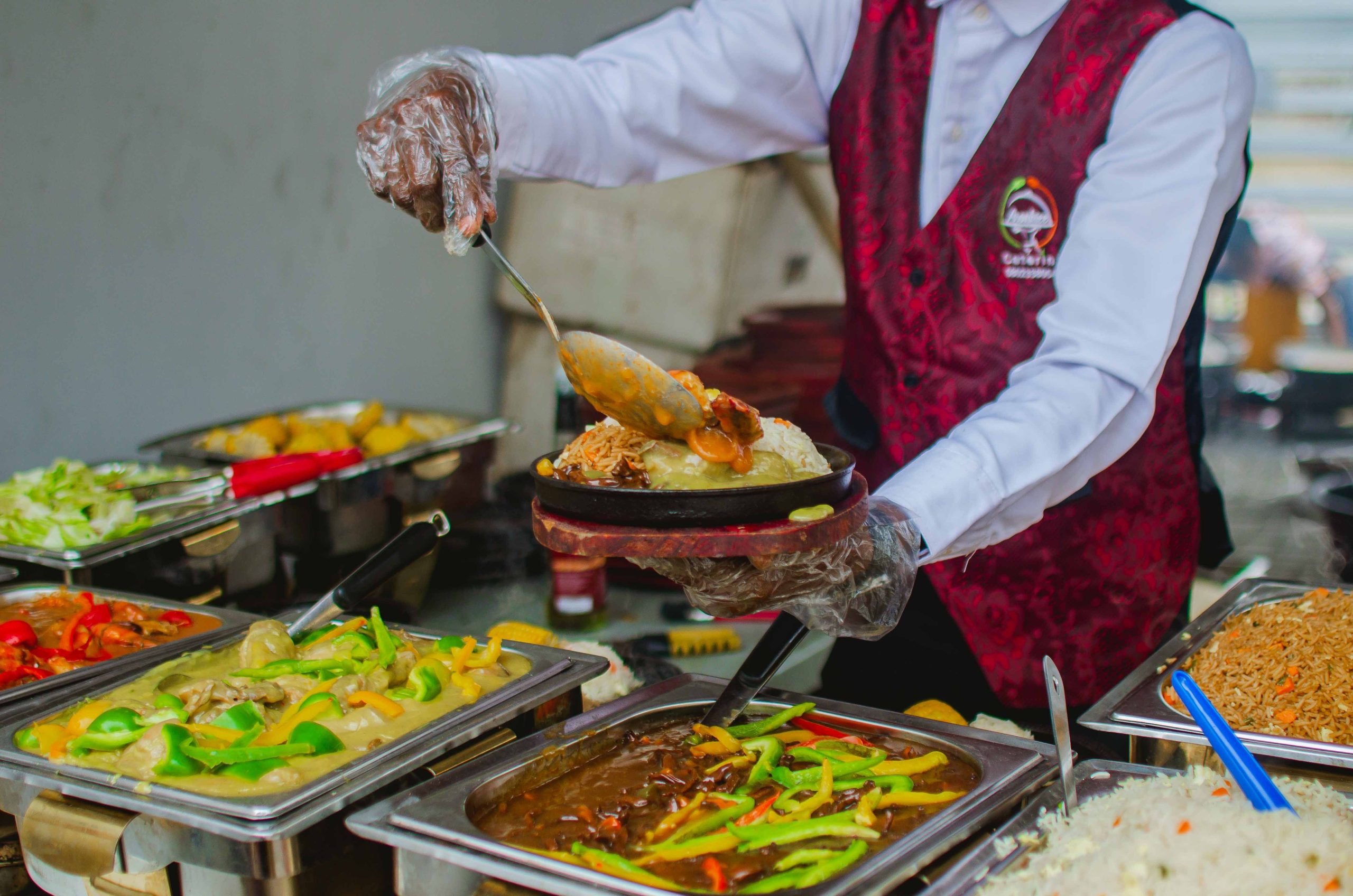
To get more customers for your African restaurant, help people nearby understand the food, choose an occasion and complete a booking or order. Good cooking is central to the experience, but a new guest may never reach it if the menu, location or ordering process is difficult to use.
Start with the restaurant's actual situation rather than a list of every marketing channel. You might need more weekday diners, collection orders or suitable catering enquiries. Those are different goals. Choose one priority the kitchen and service team can support, then make the invitation and customer journey clear.
Choose the occasion you want to grow
A quick lunch, a family meal and a private event involve different expectations. Think about who buys, what information they need and when they decide. A general post about delicious food may create interest without helping any particular customer make a plan. Give the campaign a reason that connects with a real service.
Check capacity and the economics of the offer. Do not promote a large volume of orders at a time when the kitchen is already stretched or an item is difficult to supply. Marketing and operations need to agree what is available. Additional demand is useful when the restaurant can deliver a good experience and retain a worthwhile contribution.
Make the food easy to understand
Keep dish names and character while explaining unfamiliar components, flavour and presentation. Some guests will know the cuisine well; others will be choosing it for the first time. Neither group should struggle to discover what comes with a meal or how to order it. Clear descriptions are welcoming without requiring the restaurant to lose its identity.
Maintain accurate dietary and allergen information through a reliable kitchen process. Do not make casual assurances in captions or messages that the operation cannot support. Provide a suitable route for questions requiring care. A guest's confidence depends partly on whether the restaurant can answer practical questions consistently, not simply on how appealing the photograph looks.
Help nearby guests find reliable information
Check the restaurant's website and relevant business profiles for the correct address, contact details and current hours. Use genuine photographs of the food and dining space with appropriate permissions. Explain collection, arrival or accessibility details where they are useful. These are small parts of the experience that can determine whether interest becomes a visit.
Keep the menu readable on a phone. A photograph of a printed menu can be difficult to navigate and may remain online after prices or dishes change. Give someone a current, clear way to see what is offered. Do not send every visitor through several social platforms to piece together basic information about the restaurant.
Connect each promotion to a useful next step
A post about a specific dining event should lead to its details and booking route. A takeaway offer needs an appropriate order path. Catering needs a way to discuss date, location, guest numbers and service requirements. Sending all three audiences to a general homepage makes them do additional work after responding to the invitation.
Explain important conditions before a guest commits. State genuine dates, availability and pricing assumptions clearly. Avoid false urgency or promises about an experience the team has not prepared. A campaign builds trust when the visit matches the message, and that consistency can matter more than the reach of the individual post.
Make first-time guests comfortable returning
The food, service and clarity of the visit shape whether someone returns. Ask for honest feedback appropriately and respond to genuine concerns. Make repeat ordering or booking straightforward. A guest should not need to learn a different contact process each time they want to visit.
Use promotional email or other messages only through an appropriate process and check the requirements that apply. A useful invitation can explain a menu, event or occasion. It does not need to contain a discount every time. Repeated reductions can create activity while leaving the restaurant dependent on offers that do not improve the customer relationship or margins.
Use evidence to choose the next improvement
Track completed orders, bookings, attendance and repeat visits where the available systems support it. Ask how guests discovered the restaurant without making the conversation intrusive. Record common questions and what staff notice about the ordering journey. That information can reveal a practical problem a social-media report would miss.
If content attracts attention but few suitable customers, review the service area, offer and next step before increasing spending. If first visits happen but returns are weak, look at the experience as well as promotion. Growing the restaurant requires those parts to work together. The goal is a service people can discover, choose and enjoy enough to recommend or visit again.
Questions restaurant owners ask
### Should I promote only to people who already know African food?
You can value those customers while welcoming others. Explain the food and experience so suitable guests can choose without assuming everyone shares the same knowledge.
Are paid ads essential?
Not always. Start with accurate information, a clear offer and a working booking or order route. Advertising is more useful when those foundations are ready.
What is the first practical improvement?
Follow the journey from discovering the restaurant to reading the menu and completing the intended action. Fix missing information and friction before adding more promotion.
Let’s work on the next step for your business
If you would like help applying this to your situation, Get your customer acquisition plan. Tell me what you sell, who you want to reach and where enquiries or sales are getting stuck. Daniel Iloh Limited can then discuss the support that fits your business.