

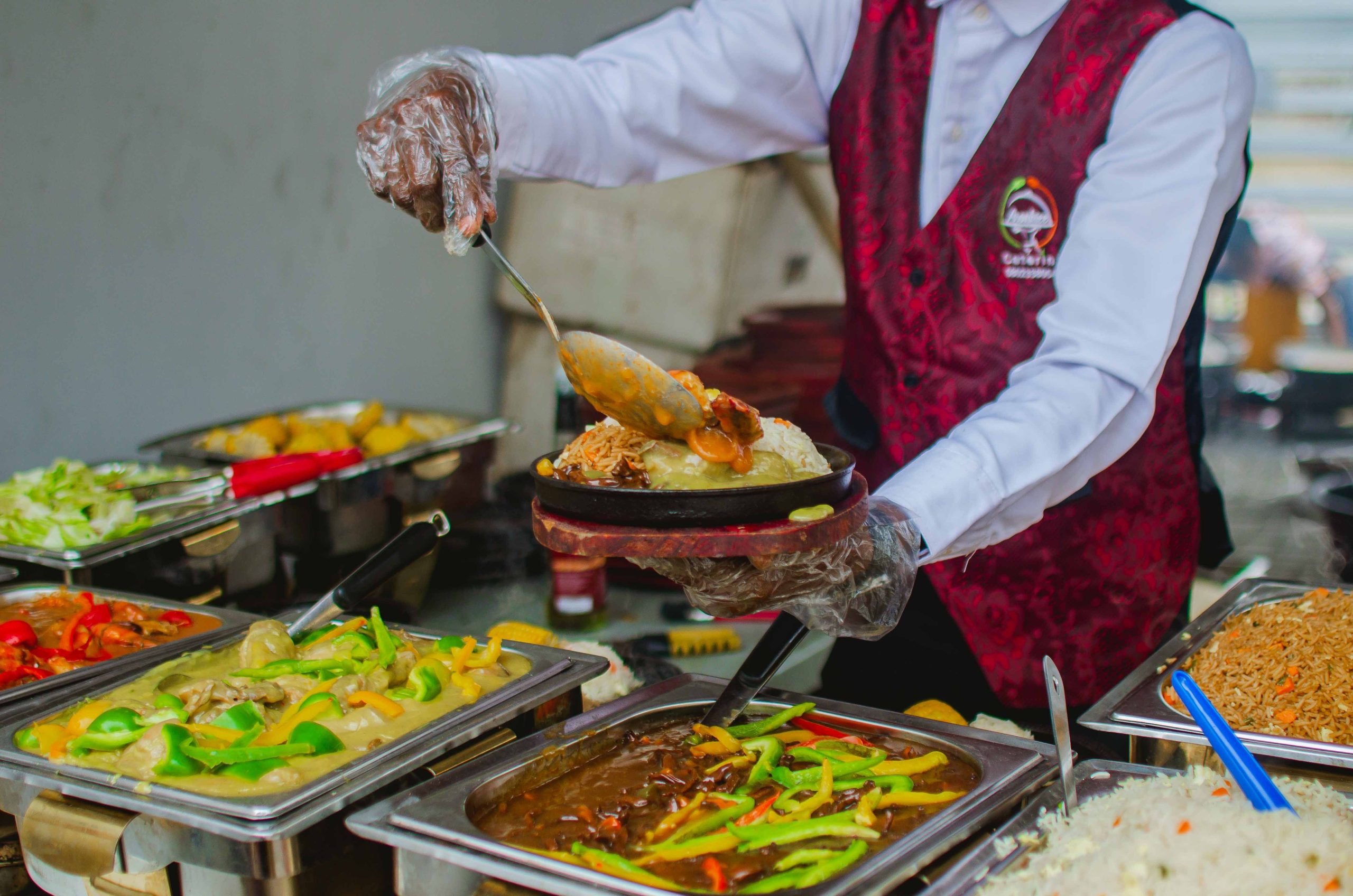
To get more direct orders for your African restaurant in the USA, make it easy for a hungry customer to understand the food, check the total cost and place an order confidently. Good marketing brings attention to that experience. It cannot make up for an unclear menu, an unreliable checkout or an order your kitchen cannot fulfil.
Your restaurant may already have loyal customers who know exactly what to ask for. A new visitor needs more help. They may recognise a favourite dish from home, or they may be trying the cuisine for the first time. Your website should welcome both without making either feel like an outsider.
Decide which direct orders you want to grow
Separate collection, restaurant delivery and event orders. Each has different preparation, packaging and fulfilment needs. If your immediate goal is more weekday pickup orders, build the first campaign around that. Do not send people into a catering enquiry process when they want dinner tonight.
Review which dishes travel well and can be prepared consistently at busy times. Consider the margin after ingredients, packaging, payment and delivery costs. A promotion that increases orders but overwhelms the kitchen or leaves too little profit is not a useful success.
State delivery coverage accurately if you provide it. Customers should understand whether you deliver, use a delivery partner or offer collection only. Explain the available arrangements before they spend time choosing food that cannot reach them.
Help people choose without flattening the cuisine
Use the real names of your dishes and add clear explanations. Describe the main ingredients, accompaniments and relevant choices in everyday language. Someone unfamiliar with a dish should not need to leave your menu and search elsewhere to understand what they might receive.
Be specific about your food tradition. Nigerian, Ethiopian, Ghanaian, Senegalese and other cuisines have distinct dishes and histories. Tell the story that belongs to your restaurant rather than using a generic African label for everything. Your own knowledge is a valuable part of the customer experience.
Keep allergen and dietary information accurate and supported by your kitchen process. Avoid promising that a dish is free from an ingredient or suitable for a particular need without checking. Give customers a clear route to ask questions before ordering, especially when substitutions or shared preparation could matter.
Make the ordering journey work on a phone
Show a current menu, opening times, collection address and the relevant ordering link. A customer arriving from search or social media should not have to open several competing menus to find the correct one. Remove outdated offers and make temporary changes visible where they affect ordering.
Test the complete customer journey as far as you can without creating an unintended real order. Check item choices, availability, totals, delivery or collection options and confirmation wording. If a payment test is necessary, use the provider's appropriate test process or a clearly coordinated internal check.
Explain what confirmation means. Does the kitchen accept the order automatically, or is acceptance checked? Where can a customer ask about a problem? Use the actual process rather than a reassuring message that your staff cannot support.
Connect local discovery to direct ordering
Keep your legitimate business profile accurate with the correct location, category, hours and website. Use real photographs of the restaurant and food where you have permission. Stock imagery can support a general article, but it should not misrepresent a dish as something your kitchen prepared.
Create useful information around the occasions you serve. A family meal, office lunch or group collection may need a different explanation. A page should exist because it helps a customer, rather than simply repeating city names in almost identical paragraphs.
If you test paid campaigns, match the advert to a clear offer and ordering page. Make important conditions visible. Track completed orders where the platform and website support reliable measurement, and distinguish those from menu visits or button clicks. People looking at food are not all placing orders.
Give customers a reason to return directly
Tell customers about your direct ordering option in places you control, such as your website and appropriate restaurant materials. Respect any agreements with third-party platforms. Do not make claims about savings or lower prices unless they are true for the particular order being compared.
For optional email or text updates, use a suitable sign-up process and respect the customer's choice. A useful message might explain a menu addition or ordering availability. Repeated generic discounts can teach people to wait for a deal instead of appreciating the food and service.
Ask for honest reviews after real experiences without rewarding positive ratings. Respond constructively to concerns and look for repeated operational problems. If customers mention missing items or unclear pickup instructions, fixing those issues may help more than increasing advertising spend.
Questions restaurant owners ask
Should I remove my restaurant from delivery platforms?
Assess the role and economics of each channel before making a decision. Platforms may bring discovery or convenience, while direct orders give you a different customer journey. Your choice should consider margin, capacity, customer preference and contractual arrangements.
Do I need to explain dishes that regular customers know?
A short description helps new customers and can reduce repeated questions. Keep the dish's proper name and character, then add the practical detail someone needs to choose. Clear explanations can broaden your audience without changing the food's identity.
What should I measure for a direct-order campaign?
Look at completed orders, average order value, repeat purchases, fulfilment problems and contribution after relevant costs. Compare those outcomes with campaign spending. A busy ordering page is encouraging, but fulfilled, worthwhile orders are the stronger business measure.
Let’s work on the next step for your business
If you would like help applying this to your situation, Get your customer acquisition plan. Tell me what you sell, who you want to reach and where enquiries or sales are getting stuck. Daniel Iloh Limited can then discuss the support that fits your business.