

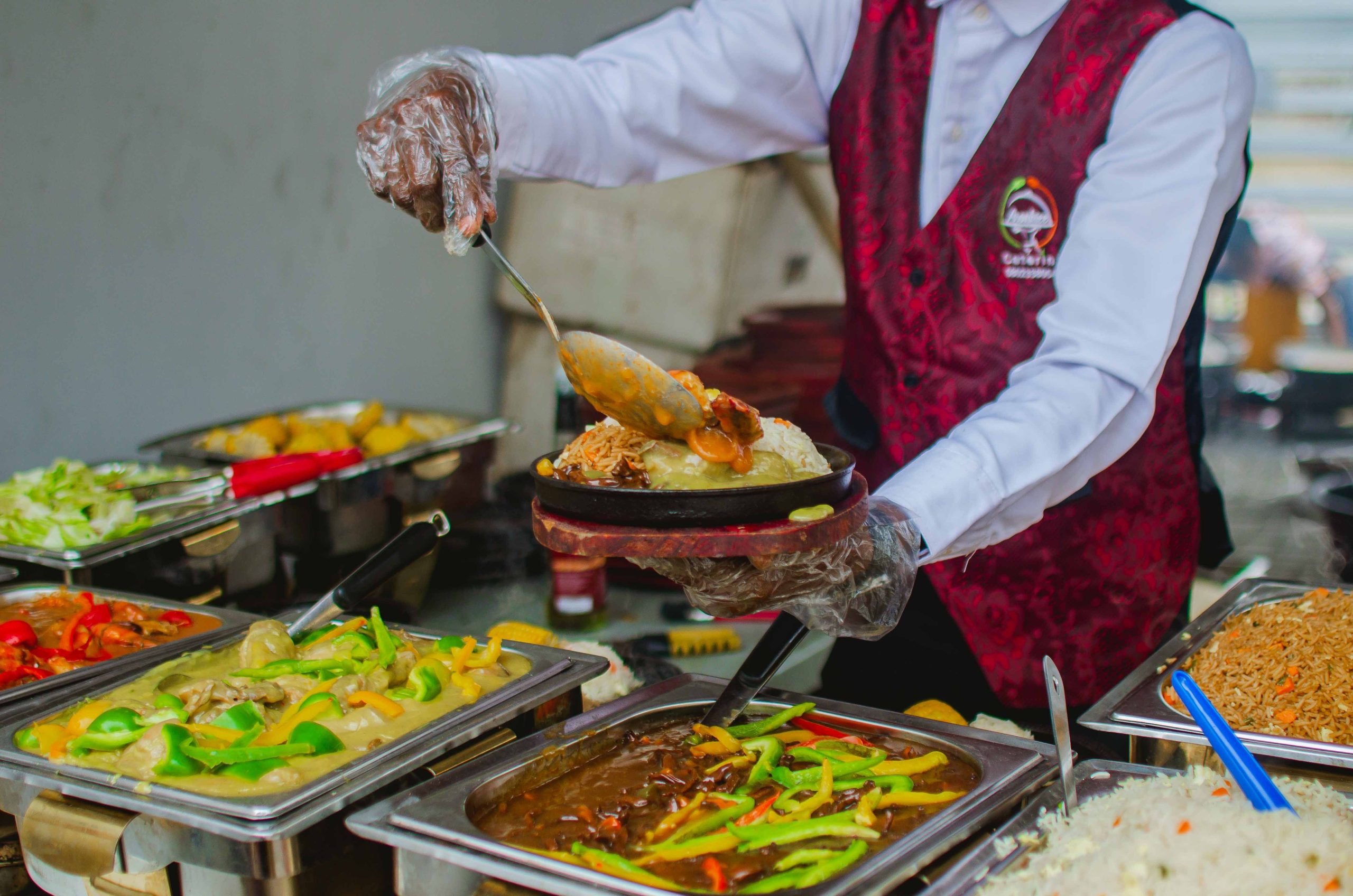
Restaurant email marketing works best when it gives someone a useful reason to return. That might be a menu they would enjoy, an event worth planning around or a reminder that you cater for the kind of gathering they organise. A list of addresses is not the result. A relationship that leads to another visit is what you are building.
If you run an African restaurant in the UK, you do not have to write like a large restaurant chain. Write like the person welcoming a guest back. Explain what is happening, who it suits and how to book. Keep your message clear enough for both a regular customer and someone who discovered your food last month.
Give guests a genuine choice about joining
Create a straightforward way to join your restaurant updates. You could offer it through your website, a booking journey or an invitation at the table. Explain what you will send and let people choose. Do not assume that making a reservation or paying for dinner automatically means someone wants every promotional email you plan to send.
Check the rules that apply to your email marketing and the way you collect information. In the UK, the ICO provides guidance on direct marketing and electronic messages. Build permission and a working unsubscribe route into your process from the start. A smaller list of people who want to hear from you is more useful than a larger list you cannot contact appropriately.
Decide what people are signing up to receive
A promise such as occasional menu news and dining events is easier to understand than an invitation to receive exclusive content. Set a rhythm your team can maintain without inventing offers every week. If your kitchen runs a monthly regional menu, that gives you something concrete to explain. If your menu rarely changes, tell stories about dishes and occasions instead.
Avoid training your guests to expect a discount in every message. You can offer value through convenience, useful information and genuine availability. A reminder about booking a family celebration can be helpful when it explains group sizes, menu options and how to arrange the occasion. The message should help a guest make a decision, rather than create artificial pressure.
Write one email around one main reason to visit
Start with the reason the recipient might care. For example, explain that you are opening bookings for a particular evening, then describe the food, price and reservation route. Show the practical details before asking someone to click. An attractive photograph cannot answer questions about the date, location, dietary information or whether a table is still available.
Use the language you would use across the table. If you introduce a dish that may be unfamiliar to some guests, explain it without treating the reader as an outsider. Say what it tastes like, how it is served and what someone might enjoy alongside it. Your culture and knowledge are strengths when they help the guest feel comfortable choosing.
Make the booking route match the message
A person clicking an email about a dining event should reach the relevant event details or booking option. Sending them to a busy homepage makes them search again. Test the link on a phone and check whether the booking information is still current. If an event sells out, update the page so the email does not continue promising unavailable tables.
For catering, use a different route from a normal table reservation. Ask about the event date, location, approximate guest count and service required. Those details help your team respond properly. Do not send every email reader into a long catering form when most simply want to book dinner for two.
Build simple messages around the guest relationship
A welcome email can explain what makes your restaurant worth visiting and where to find the menu. A later message might introduce a popular dish or an upcoming event. After a visit, an appropriate thank-you can invite honest feedback. These messages should feel connected to the person's experience, not like a sequence designed to keep sending indefinitely.
Separate useful service information from promotional messages and handle each appropriately. Also check who is excluded from a campaign. Someone who has unsubscribed should not be added back because a spreadsheet was uploaded again. A guest with an unresolved complaint needs a response to the problem, not a cheerful promotion that ignores it.
Measure visits and orders as well as clicks
Email opens can be affected by privacy features, so do not treat them as a complete measure of interest. Look at relevant clicks, completed bookings and attributable orders where your systems allow it. Ask staff to note when a guest mentions an email, without making the conversation awkward. Combine the information rather than pretending one dashboard tells the whole story.
Start with a manageable campaign and review it afterwards. Did people understand the offer? Did the booking page work? Could the restaurant serve the additional demand comfortably? If the message produced clicks but no reservations, improve the details and booking route before deciding that email does not work for your restaurant.
Questions restaurant owners ask
### How often should I email guests?
Choose a schedule you can support with worthwhile messages. Regularity helps, but sending weak emails merely to maintain a weekly timetable can reduce interest.
Do I need a discount to get bookings?
No. A relevant occasion, appealing menu and easy booking route can give someone a reason to return. Use discounts only when the numbers and purpose make sense.
Should catering and dining use the same email?
Not always. The buying decisions are different. Segment appropriately where you can, or make the intended occasion clear so the right reader follows the right route.
Let’s work on the next step for your business
If you would like help applying this to your situation, Get your customer acquisition plan. Tell me what you sell, who you want to reach and where enquiries or sales are getting stuck. Daniel Iloh Limited can then discuss the support that fits your business.