

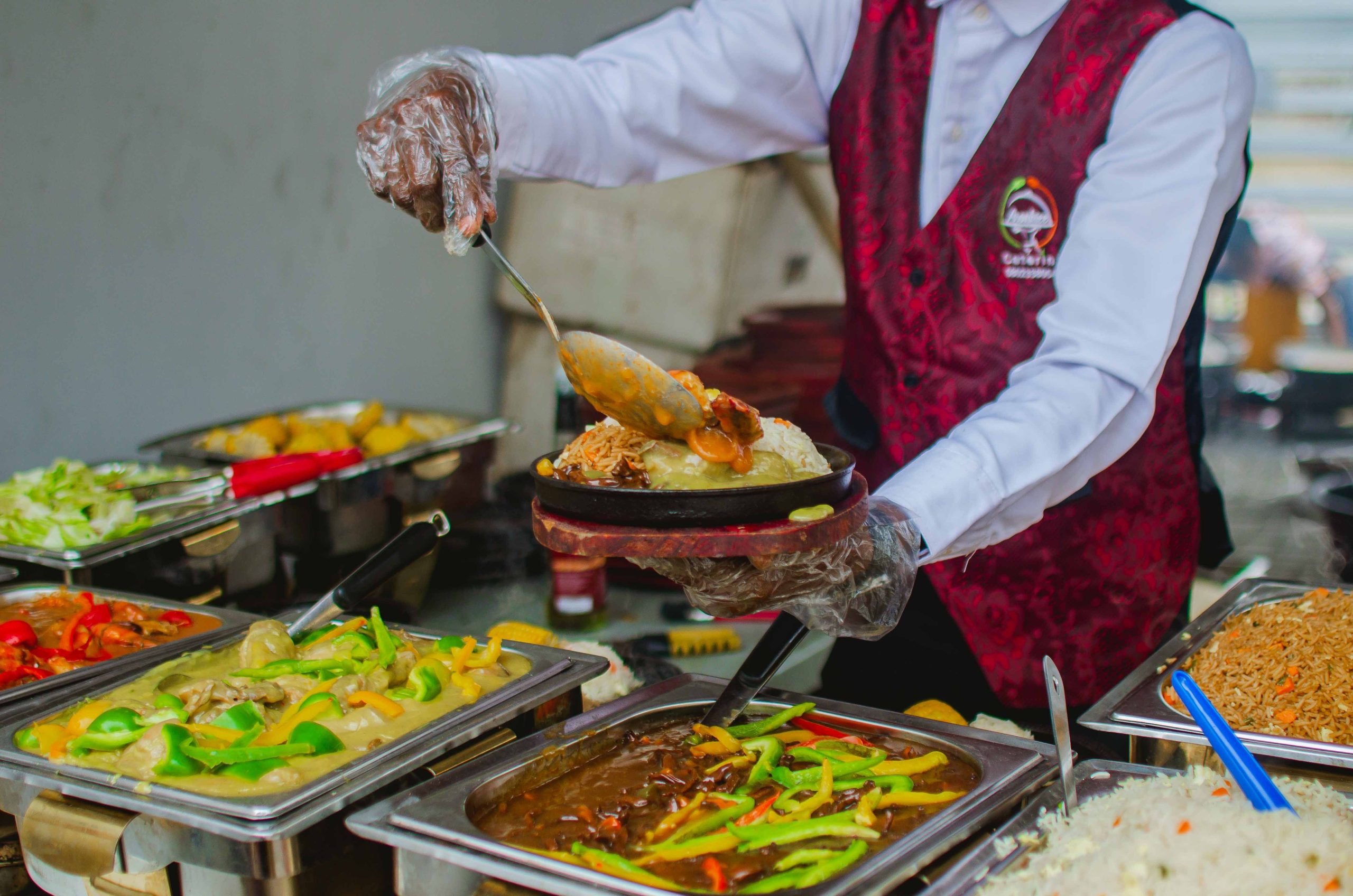
Restaurant social media should help someone decide what to eat, whether your restaurant suits the occasion and how to place an order or book a table. Beautiful food photographs matter, but they do not finish that job on their own. A useful post connects the dish to a real decision the customer is making.
If your African restaurant gets comments such as that looks lovely but few orders, look at what happens after the comment. Is the menu accessible? Are prices clear? Does your profile explain your location and opening hours? Before increasing how often you post, make it easier for existing interest to become a visit.
Choose the business result behind the content
Decide which part of the week or service you want to improve. Filling a quiet lunch service is different from selling weekend group bookings. A post aimed at a quick takeaway buyer should not send them through the same explanation as someone arranging a birthday dinner. Give the campaign a purpose that the kitchen and front-of-house team understand.
Choose an offer you can serve profitably. That could be a lunch combination, a particular dining experience or a catering menu for a defined group size. Do not describe every dish and service in every post. The clearer the choice, the easier it is for a reader to understand whether the post is relevant to them.
Show food in a way that answers questions
Use honest photographs of the food you actually serve. Show portion presentation and enough context for someone to understand the dish. Explain unfamiliar ingredients or accompaniments in everyday language. Avoid assuming that all African dishes are familiar to every African customer, or that customers outside the community will understand a menu name without an explanation.
Show the experience around the food as well. A family choosing a restaurant may want to understand seating, atmosphere and access. A takeaway customer needs packaging, collection and ordering information. Ask permission before featuring guests, and avoid presenting stock imagery as photographs of your meals, staff or restaurant. Trust is part of the marketing, not an optional finishing touch.
Write captions that lead somewhere useful
A caption needs a reason to act and a clear next step. Explain what is available, when and how to order. If a booking is required, say so. If the post concerns collection, make that route obvious. A reader should not have to scroll through several comments to discover whether the offer is available in their area.
You can still sound like yourself. A short explanation of why you enjoy cooking a dish can make a post personal, provided the practical information is also there. Avoid ending every caption with several competing instructions. Asking someone to comment, share, call, message and visit the website at once can make the simplest action less clear.
Fix the journey from profile to purchase
Open your own profile on a phone and follow the route a new guest would take. Check the menu, location, opening hours and order or booking link. Make sure the destination matches the service you are promoting. A diner interested in tonight's menu should not arrive at an outdated festival page or a form meant for corporate catering.
Check how enquiries are handled. Decide who replies, when and with what information. If someone asks whether a dish is available, your reply should answer the question and explain the ordering route. Sending only a generic welcome message creates another barrier. If you cannot monitor messages reliably during service, make the direct ordering option clearer.
Build a content rhythm around real operations
Plan a small set of useful themes: a dish explanation, an occasion to visit, an insight from the kitchen and an answer to a common guest question. Reuse the underlying idea when appropriate, but update the details and imagery. Your team should not be forced to invent a completely different identity for the restaurant every week.
Coordinate promotions with stock and staffing. A successful post becomes a poor experience if the featured dish is unavailable or the kitchen cannot handle the orders. Tell staff which offer is live and where guests will arrive from. Social media is part of the service journey, so operational readiness affects whether the attention becomes repeat business.
Assess orders, bookings and the quality of demand
Look beyond likes. Track clicks to the relevant menu or booking page and completed actions where possible. Keep notes about common questions, abandoned enquiries and customers who mention a post. If one dish attracts attention but rarely sells, investigate presentation, availability, price clarity and the ordering route before buying more exposure.
Use a simple review after each campaign. What was the goal? What happened? What needs changing? A post with modest reach can be valuable if it brings suitable local diners. A widely shared video may be less commercially useful if most viewers cannot visit or order. Choose the next campaign using your business needs, not another restaurant's follower count.
Common questions about restaurant posts
### Should every post sell something?
No. Helpful explanations and a sense of the restaurant can build confidence. Make sure the overall content still supports a clear route to becoming a customer.
Do I need professional photography for every post?
Not necessarily. Clear, honest images in good light can be useful. Maintain consistent presentation and avoid misleading photographs that create expectations your restaurant cannot meet.
What is the first thing to fix?
Test the path from a post to a completed booking or order. Many businesses can improve the experience before creating any additional content.
Let’s work on the next step for your business
If you would like help applying this to your situation, Get your customer acquisition plan. Tell me what you sell, who you want to reach and where enquiries or sales are getting stuck. Daniel Iloh Limited can then discuss the support that fits your business.