

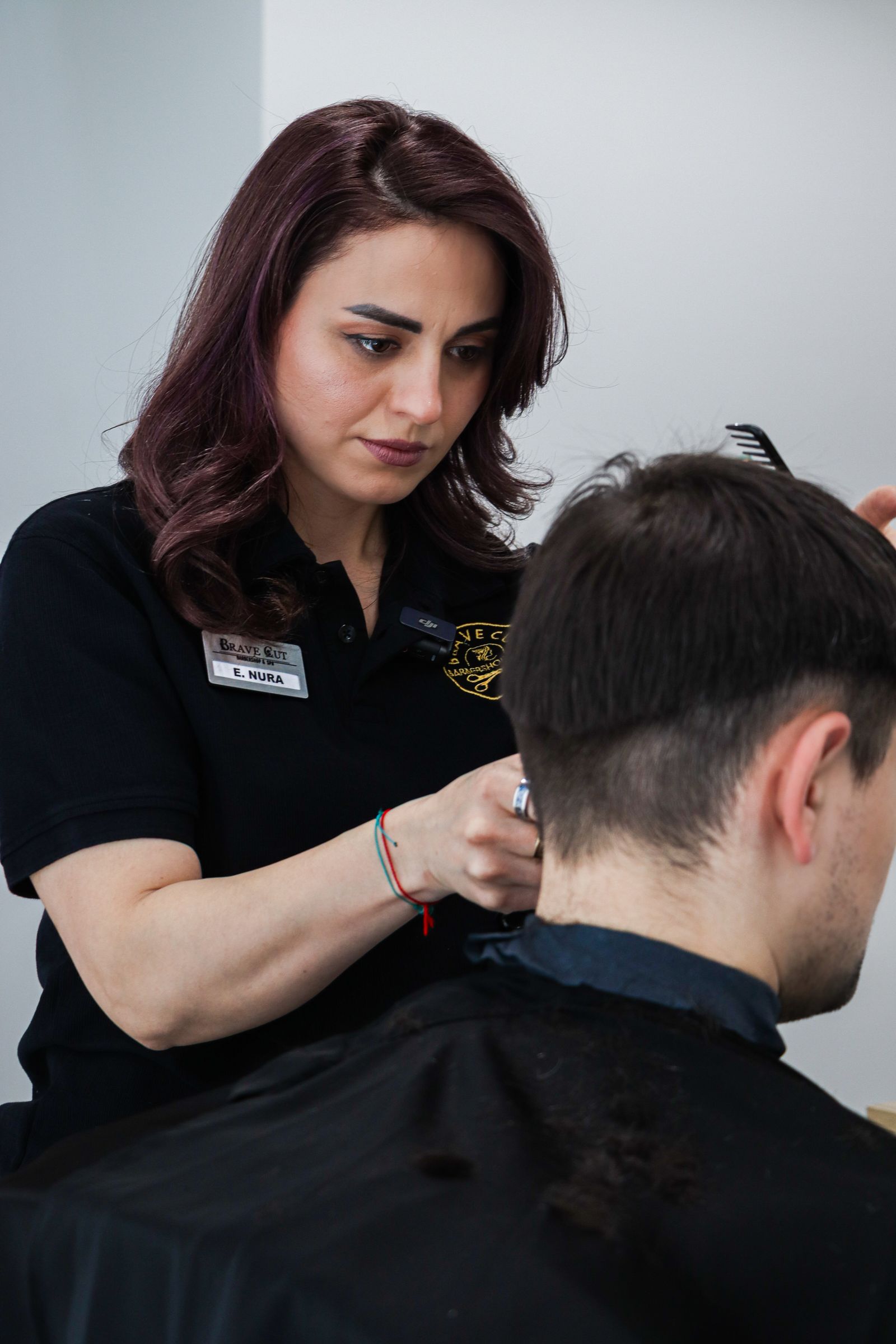
To fill quiet weekday appointments at your barbershop, first identify the hours you can improve profitably and the customers who could realistically attend then. A broad discount may create activity without creating worthwhile additional income. A focused weekday offer gives the right client a reason to choose an available time.
If you serve African and Black customers, your understanding of hair, styles and personal service can help you build trust. Do not let a promotion hide those strengths behind a low price. Explain the service clearly, show your work honestly and make booking straightforward for someone considering their first visit.
Find the actual gap in your week
Look at appointments by day, time and service rather than relying on a general feeling that weekdays are quiet. Separate empty capacity from hours you prefer not to work. If a barber is not available on Tuesday morning, promoting those appointments will only create disappointment. Check how far ahead customers normally book and whether cancellations explain part of the gap.
Choose a limited number of slots to improve. For example, you might focus on a midweek afternoon rather than changing your prices across the whole business. Calculate the direct costs and time involved in the services you want to promote. The aim is to bring worthwhile work into available capacity, not simply to make the diary look busier.
Understand who can use those appointments
Think about the customers who have flexibility during those hours. Some work shifts, some arrange appointments around study or family responsibilities and some simply prefer a quieter shop. Ask existing clients about their preferences instead of guessing from age or background. A short conversation can reveal a useful opportunity that a broad advertising audience misses.
Explain the practical benefit of the appointment. A reliable time, less waiting or a service that fits a lunch break may be more relevant than a dramatic discount. Be accurate about the experience you can provide. If the shop operates both walk-ins and appointments, make clear how a booked time works and what a client should expect on arrival.
Design an offer that protects the normal service
A weekday offer can add value without reducing every price. You might package a suitable combination of services or make selected booking times easier to secure. Only offer additions your team can deliver comfortably. Something that sounds small in the advertisement can create substantial extra work when repeated across several appointments.
Write the conditions plainly. State the services, eligible times, booking route and any genuine limitations. Avoid invented countdowns or suggesting the normal service is about to become unavailable when it is not. Clients should be able to understand the offer before making a booking, including what happens if they need a different service.
Show the work the customer is choosing
Use current photographs of actual haircuts with the client's permission. Show the result clearly and explain the service where necessary. A new customer wants to know whether your barbers can deliver the style they want and whether the environment feels comfortable. A stock photograph cannot answer those questions about your specific shop.
For the campaign, pair the portfolio with the relevant appointment information. A useful post might explain the service, available weekday times, location and booking link. Keep the message focused. A reader interested in a particular haircut should not have to scroll through a long catalogue of unrelated products and services before finding how to book.
Start with customers who already know the shop
Tell suitable existing customers about the quieter times through channels they have agreed to receive. Mention the option during an appointment without pressuring them to change a schedule that works. Someone who prefers Saturday may not be your weekday customer, even if they like your business very much.
If you run paid promotion, begin with a service area you can genuinely attract customers from and a budget you can afford to test. Send people to the relevant booking route. Do not judge the campaign only by cheap clicks. Check whether bookings are additional weekday work or simply existing clients moving appointments they would have booked at full price elsewhere in the week.
Review the effect on profit and the client experience
Track bookings, attendance, service time and what clients paid. Compare the results with the capacity gap you intended to fill. If a promotion creates appointments but leaves the barber rushed or the price too low, revise the offer. More bookings are useful when the service remains good and the work contributes to the business.
Ask first-time clients how they found you and whether booking was easy. Make it natural to book the next visit, with a clear choice rather than automatic assumptions. A successful weekday campaign can introduce a client who returns because they value the haircut and the experience. That relationship is more durable than a calendar filled only while a discount is available.
Questions barbershop owners ask
### Should weekday appointments always be cheaper?
No. Convenience, availability and a clearly explained service can be enough. Use pricing changes only when you understand their effect on your margins and existing bookings.
How long should I test an offer?
Allow enough time to observe how your customers normally plan appointments. Set a review point and a spending limit rather than leaving the promotion running without a decision.
What should I fix before advertising?
Check your booking availability, service descriptions and current portfolio. An appealing post cannot help much if someone follows the link and cannot book the time being promoted.
Let’s work on the next step for your business
If you would like help applying this to your situation, Get your customer acquisition plan. Tell me what you sell, who you want to reach and where enquiries or sales are getting stuck. Daniel Iloh Limited can then discuss the support that fits your business.