

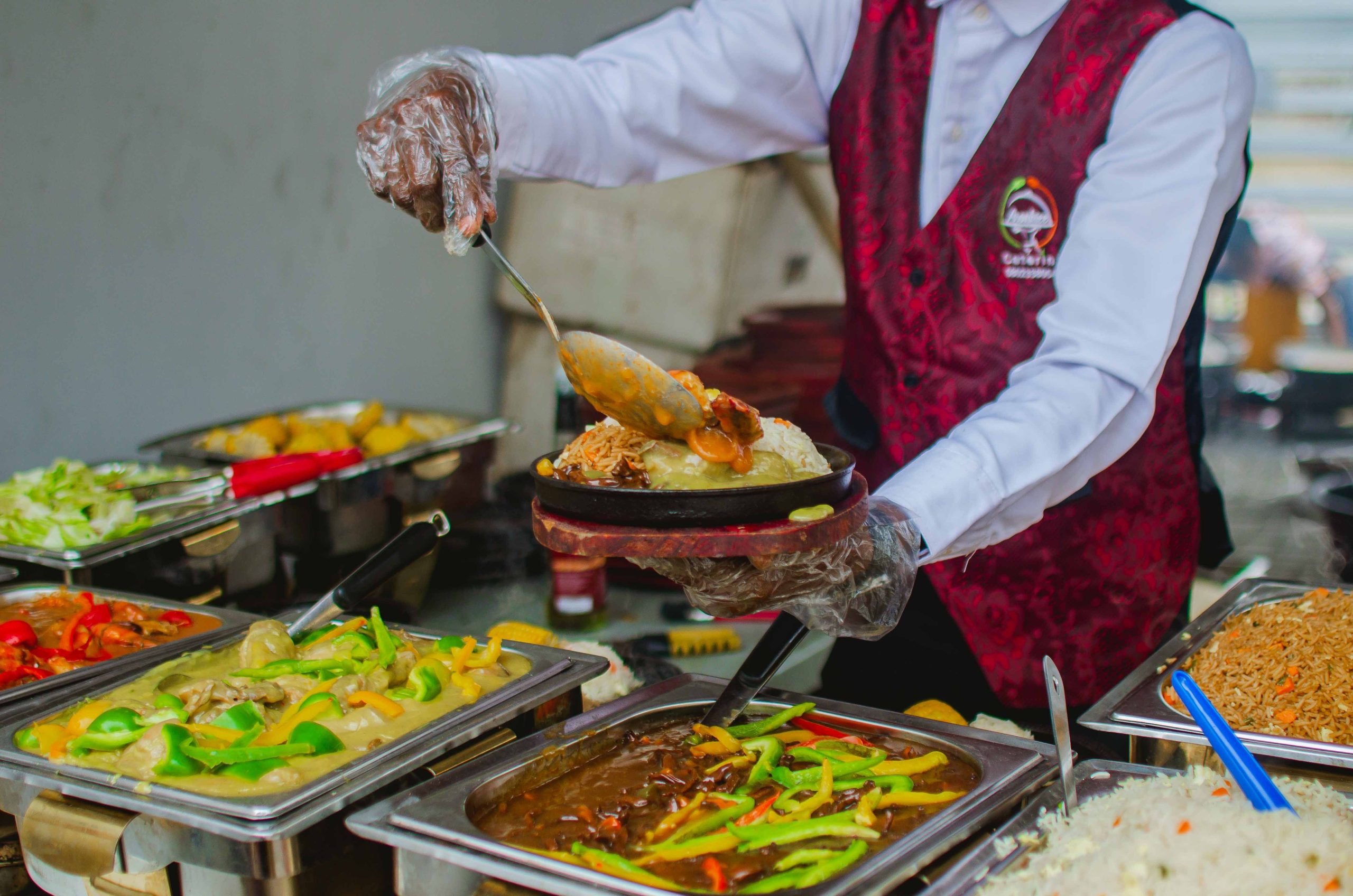
A restaurant email list should make it easier to welcome people back, not give you a reason to send promotions to everyone whose address passes through the business. Start by explaining what subscribers will receive and inviting them to choose. Then send messages that help them plan a visit, order food or arrange an occasion.
For an African restaurant in the USA, the list can connect your food and hospitality with people who already showed interest. You do not need to sound like a national chain. You need to be recognisable, useful and clear about how the reader can act on the message.
Give the invitation a clear purpose
Tell people what joining means. Perhaps you send occasional dining events, menu introductions or catering information. A vague request to join the community gives less information than a plain explanation of the emails. Use a rhythm the restaurant can maintain with worthwhile content. Do not promise weekly exclusives if your team has no practical plan for producing them.
Offer the invitation at suitable points in the journey: on the website, near an online booking confirmation or through an optional restaurant sign-up. Keep the choice separate and understandable. Do not tell staff to collect addresses without explaining the purpose. The way the list is built affects the trust behind every message you send later.
Know which contacts belong on the list
A booking address and a marketing subscriber are not automatically the same thing. Review how each contact was collected and the rules that apply to your messages. The FTC's business guidance on commercial email is a useful starting point for understanding US requirements, including accurate sender information and an appropriate opt-out process. Obtain advice where your circumstances require it.
Avoid buying a large list to make the programme feel established. Those people may have no connection to the restaurant or interest in your food. A small, relevant audience gives you a clearer view of what the messages achieve. Keep a record of sign-up information and make sure unsubscribed contacts are not reintroduced through a later spreadsheet upload.
Create a welcome message that earns attention
Thank the person for joining, explain what to expect and make the useful information easy to find. Link to the current menu and the relevant booking or ordering route. If location or service hours matter, include them clearly. Someone reading the welcome email should not need to search social media to find out which restaurant has contacted them.
Introduce the food in a personal but practical way. You might explain a dish, a dining tradition or how you prepare for a particular occasion. Avoid treating African cuisine as one uniform menu or assuming every reader knows the same ingredients. Help unfamiliar guests understand their options without making regular customers read a long explanation before finding the booking link.
Segment around genuine interests
Where your system and permission arrangements support it, distinguish dining updates from catering enquiries. A guest planning a meal for two does not necessarily want repeated messages about office events. You can ask subscribers about their interests, but keep the process proportionate. Collecting more information than you will use simply creates work and responsibility.
Think about relevance when planning campaigns. A person who attended an event may appreciate information about a similar evening. A catering organiser may need lead times and package options. Do not create elaborate categories that the restaurant cannot maintain. Useful segmentation should make the message better for the reader, not make the software dashboard look sophisticated.
Give each email an obvious next step
If the message promotes a booking occasion, include the date, important conditions and a direct route to the right page. If it describes a collection offer, make the ordering and pickup information clear. Avoid sending readers to a general homepage that forces them to reconstruct the reason they clicked.
Test the message on a phone before sending. Check the subject, sender name, images, links and unsubscribe route. Confirm the restaurant can serve what the email offers. An attractive campaign that promotes unavailable dishes or an incorrect event time creates avoidable frustration. Marketing and operations should agree on the facts before the audience sees them.
Review repeat business rather than list size alone
Look at bookings and orders associated with campaigns where your systems allow it. Treat open rates cautiously because privacy features can affect them. Relevant clicks and completed actions can help, but no single metric explains the whole relationship. Combine the available information with staff observations and customer feedback.
After several messages, ask whether the list is useful to guests and manageable for the business. Are people following links that match the offer? Are common questions still unanswered? Does the kitchen receive the right information about promotions? Improve those details before increasing frequency. A dependable reason to return is more valuable than a crowded sending calendar.
Questions restaurant owners ask
### How many subscribers do I need before sending?
You can begin with a small, appropriately collected list. Focus on sending a useful message and checking the journey rather than waiting for an arbitrary audience size.
Should every email include an offer?
No. A menu explanation, event announcement or helpful planning detail can be relevant. An offer is useful only when it fits the guest and makes commercial sense.
Can email replace good service?
No. The message may bring someone back, but the restaurant experience shapes whether they return again. Keep the promise in the email aligned with what the team delivers.
Let’s work on the next step for your business
If you would like help applying this to your situation, Get your customer acquisition plan. Tell me what you sell, who you want to reach and where enquiries or sales are getting stuck. Daniel Iloh Limited can then discuss the support that fits your business.