

If your freight quote form asks too little, the sales team has to chase basic details. If it asks too much without explanation, a genuine buyer may leave before submitting. The balance is to collect what helps the next decision and make unfamiliar fields understandable.
A freight quote request page should begin with the service fit, then guide the customer through route, cargo and timing information. I would explain what happens after submission so they know whether they are requesting an estimate, a reviewed proposal or a booking discussion. Those are different stages, and clarity matters.
In this guide
Confirm the service before the form
Tell the visitor which shipment types, routes and transport modes the business handles. They should not have to enter detailed cargo information before discovering that the service is unsuitable.
Distinguish business freight from personal parcels if that is relevant to your operation. Explain important coverage limits and how unusual requirements are reviewed. Keep the language helpful rather than making the page sound like a list of reasons not to enquire.
Then explain the next step. Does someone review the request and ask for clarification? Is the result a preliminary estimate? When should the buyer expect a response during staffed hours? These details give the submission a practical meaning.
I would avoid making the form look like it confirms space or a shipment if it only creates an enquiry. The customer should understand which later action establishes the booking, while your team should have a clear process for progressing the request.
Ask for route and cargo details
Use clear origin and destination fields, with enough location detail for the next assessment. Request a plain cargo description and suitable measurements. Make the units explicit so dimensions and weight are not misinterpreted.
Ask whether the goods are ready and what timeframe the customer is planning. If specialist handling may be relevant, invite clarification through an appropriate route rather than offering automatic assurances. Keep detailed documents for a secure later process when required.
Reduce avoidable form errors
Provide helpful examples for unfamiliar fields and allow the customer to say that a detail is not yet known. A mandatory guessed number can be less useful than an honest incomplete answer. Ask your sales team which missing details most often prevent a quote, then prioritise those fields.
Test on a phone with realistic units and locations. Check error messages, dropdowns and long cargo descriptions. Preserve entered information after a recoverable error where your form supports it, so customers do not have to start again.
Explain pricing assumptions clearly
Describe which factors affect the proposal without publishing an unreliable universal rate. Route, cargo, timing and service requirements can all change the price. State what a preliminary estimate means and when details need review.
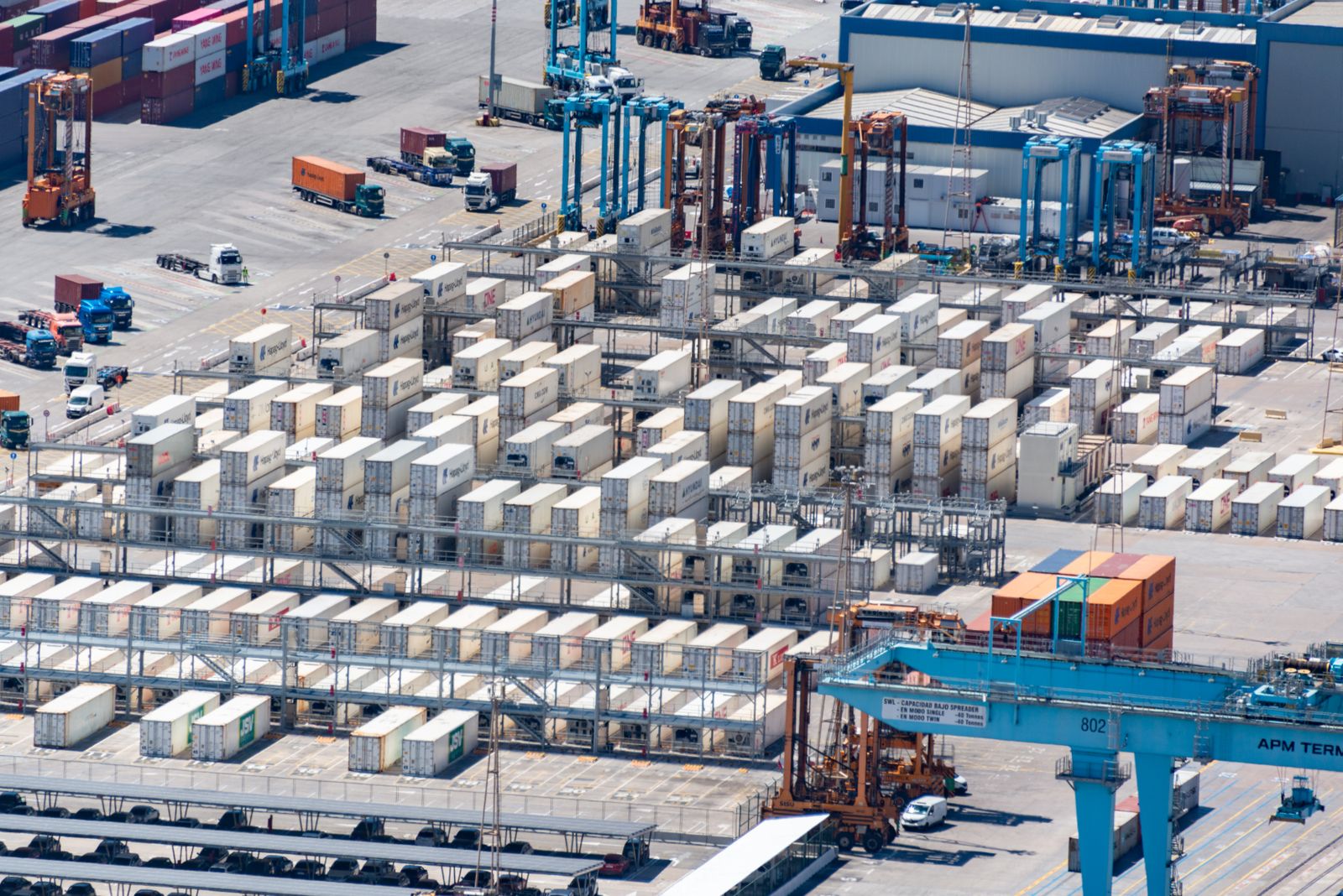
Use genuine evidence of your process and accurately described capabilities. Stock container photos can illustrate freight, but should not be labelled as your own facilities unless that is true. Do not invent carrier partnerships or customer endorsements.
Make the handover measurable
Store the original answers with the CRM enquiry and assign an appropriate owner. Track clarification, proposal, booking and customer outcomes. Duplicate requests should be reviewed so a customer comparing options is not counted as several separate wins.
Read freight lead generation and quote follow-up for the surrounding process. A higher form conversion rate is useful only when the requests are suitable and can progress to reliable proposals.
Help the buyer give you dependable information
Imagine a customer enters a weight without seeing the unit. The value may look plausible but mean something different from what the team assumes. The same problem can happen with dimensions or a location field that is too vague for quoting.
Make the expected format visible. Use examples where they help, and ask for enough origin and destination detail to assess the request. A plain cargo description can be more useful than forcing a buyer into specialist terminology they do not understand.
Allow a reasonable not yet known route for information that can be clarified later. A mandatory guessed value creates a false sense of completeness. Your team needs dependable details, not merely filled fields.
Test the form on a phone. Try longer cargo notes, different units and a recoverable error. Check that the customer can continue and that the original answers arrive correctly in the enquiry record.
Finally, pass the request to an appropriate owner. A carefully designed form is wasted if the employee receives only a name and number. Keep the context, quote stage and next action visible so the buyer does not have to repeat the whole shipment discussion.
Fill out the customer acquisition plan form if you want help improving this journey. Tell us the details your team most often needs to chase and which requests are unsuitable for your operation.
Frequently asked questions
Should every field be mandatory?
Require only the details essential to assess or route the request. Allow clarification where customers reasonably do not know a measurement yet.
Does a quote request confirm a shipment?
No, unless your process explicitly completes a booking. Explain the review and acceptance steps clearly.
What should the page measure?
Track received requests, suitable shipments, proposals and booked work. Form-starts and button clicks are supporting signals, not completed bookings.
Ready to work on this for your business?
If you would like me and the DIL team to help you put this into practice, fill out the customer acquisition plan form. Tell us where you are now and what you want to improve, so we can start with your situation.