

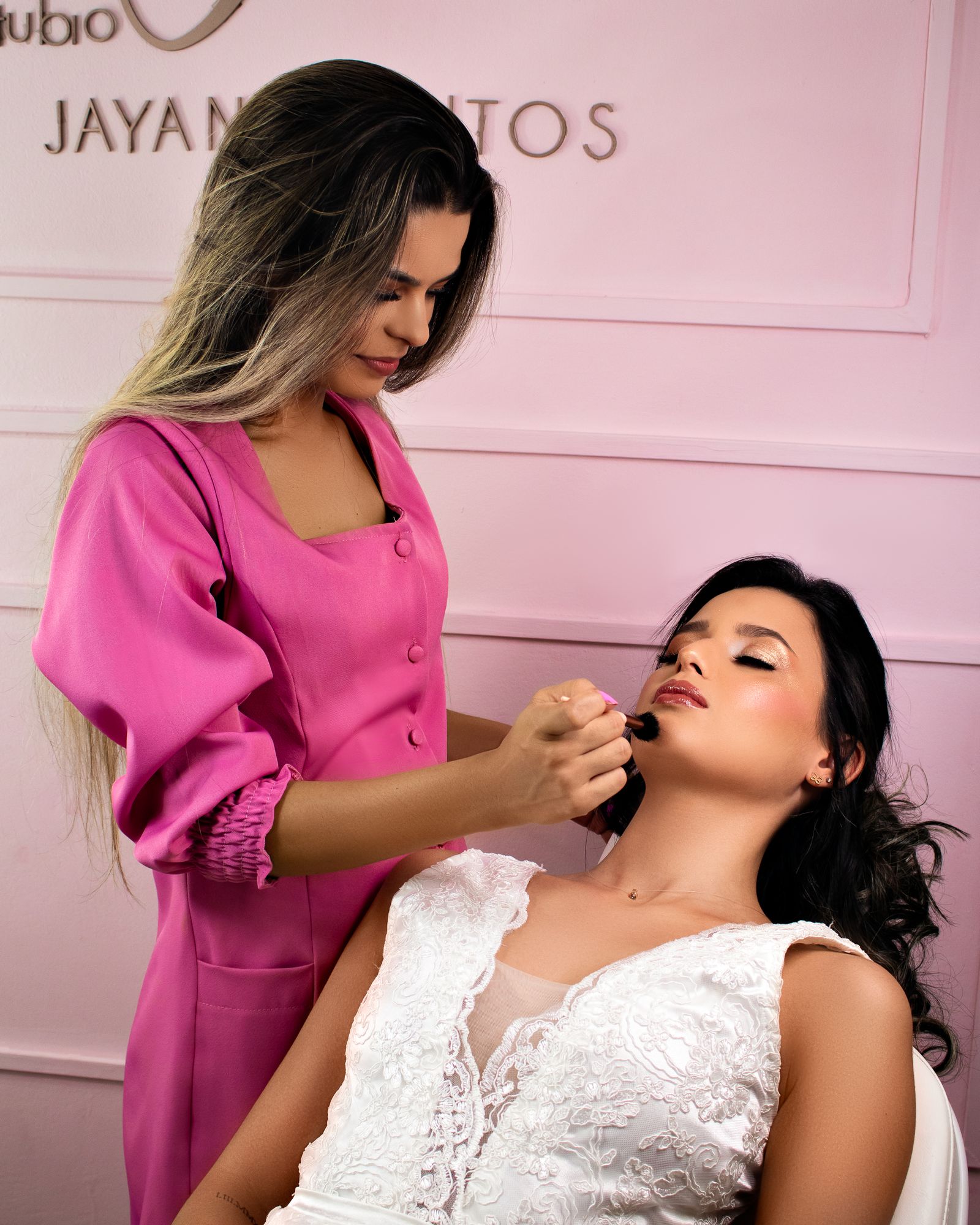
Bridal customers are not only buying a look. They are arranging a service around a particular date, location and schedule, often while coordinating several other suppliers. They need confidence in both the work and the practical arrangements.
To advertise bridal hair and makeup services, I would show genuine work and make the enquiry process clear. The person should understand the service, coverage and information needed to check availability. A beautiful advert can start the interest, but a useful conversation helps turn that interest into a booking the team can actually deliver.
In this guide
Define the bridal service offer
Explain whether you offer hair, makeup or both, and how services for the bride and wider party are arranged. Describe any consultation or trial options accurately. The buyer should not have to guess what is included from the images alone.
Clarify travel coverage and what affects the scope. Additional people, locations or timing requirements may need a separate discussion, depending on your actual service. Keep the price basis and important exclusions understandable.
I would make date checking a clear step. An enquiry should not imply the date is reserved, and the team should not confirm availability before reviewing the calendar and required resources.
Use this brief across the advert, page and first reply. Consistency helps the customer understand what happens next and prevents staff from making different assumptions about the same event.
Use a truthful portfolio
Show your own work with appropriate permission from the people pictured. Provide context for styles and service scope without claiming every result is suitable for every customer. A licensed stock bridal image can illustrate an editorial article, but it should not be presented as your own client work.
Keep the visual style consistent with the services you can deliver. Avoid editing or selecting images in a way that misrepresents the result. Useful portfolio captions can explain the appointment type and preparation process more clearly than generic praise.
Match advertising to local availability
State the locations you genuinely cover and how travel is assessed. Use relevant search and social themes as research starting points rather than claiming unverified search volumes. Date-led demand needs a process that checks actual capacity before confirming a booking.
Send adverts to a bridal-service page with portfolio context, process and an enquiry form. A general salon homepage may leave the visitor searching for wedding information. See service landing page essentials.
Ask for quote-relevant details
Collect the date, venue or preparation location, services required, approximate party size and contact preference. Explain whether more detail will be discussed during a consultation. Keep detailed personal or sensitive information out of an unnecessary first-stage form.
Assign an owner and record availability checks. If the date is unavailable, respond clearly. If a proposal is prepared, state the scope and the steps required to secure the booking through your established process.
Keep follow-up aligned with the decision
Ask when the customer expects to decide and what information they need. Provide a relevant answer rather than sending repeated pressure messages. Once booked, confirm dates, preparation arrangements and any agreed trial details consistently across calendars and reminders.
Measure suitable date enquiries, consultations, confirmed bookings and contribution after travel and service time. Use quote follow-up and appointment reminders to support the journey after the first enquiry.
Make the portfolio lead into a practical discussion
Imagine a customer likes a style shown in your own portfolio. They may want to know whether it suits the service they are considering, whether their date is available and how a trial works. The page should help them ask those questions.
Use actual work with appropriate permission and explain the relevant context. Do not present a stock bridal photo as one of your clients. Illustration and evidence have different jobs, and the customer needs dependable evidence when choosing a supplier.
Collect the date, preparation location, services required and approximate party size. These details help assess fit without asking for every event arrangement in the first form.
Once the enquiry arrives, assign someone to check availability and clarify the scope. Record the conversation and the next step so a colleague can continue without asking the customer to repeat the plan.
When a proposal is prepared, explain how acceptance and booking confirmation work through your established process. After confirmation, keep trial and event details consistent in calendars and reminders. The service experience begins with those communications, not only on the wedding day.
Fill out the customer acquisition plan form if you want help building a clearer bridal enquiry journey. Tell us your coverage, service structure and the questions customers ask before feeling ready to book.
Frequently asked questions
Should I advertise dates I have not checked?
Advertise the service, then confirm actual availability before accepting a booking. Do not imply that a date is reserved by an enquiry alone.
Can I use stock photos in my bridal portfolio?
Do not present stock as your own work. Use it only as appropriately labelled illustration where the licence permits.
What should the first enquiry form include?
Collect the date, location, service requirements, approximate party size and contact details. Use a later conversation for more detailed planning.
Ready to work on this for your business?
If you would like me and the DIL team to help you put this into practice, fill out the customer acquisition plan form. Tell us where you are now and what you want to improve, so we can start with your situation.